
How to Choose Furniture for a Small Office: A Guide for Dubai Offices
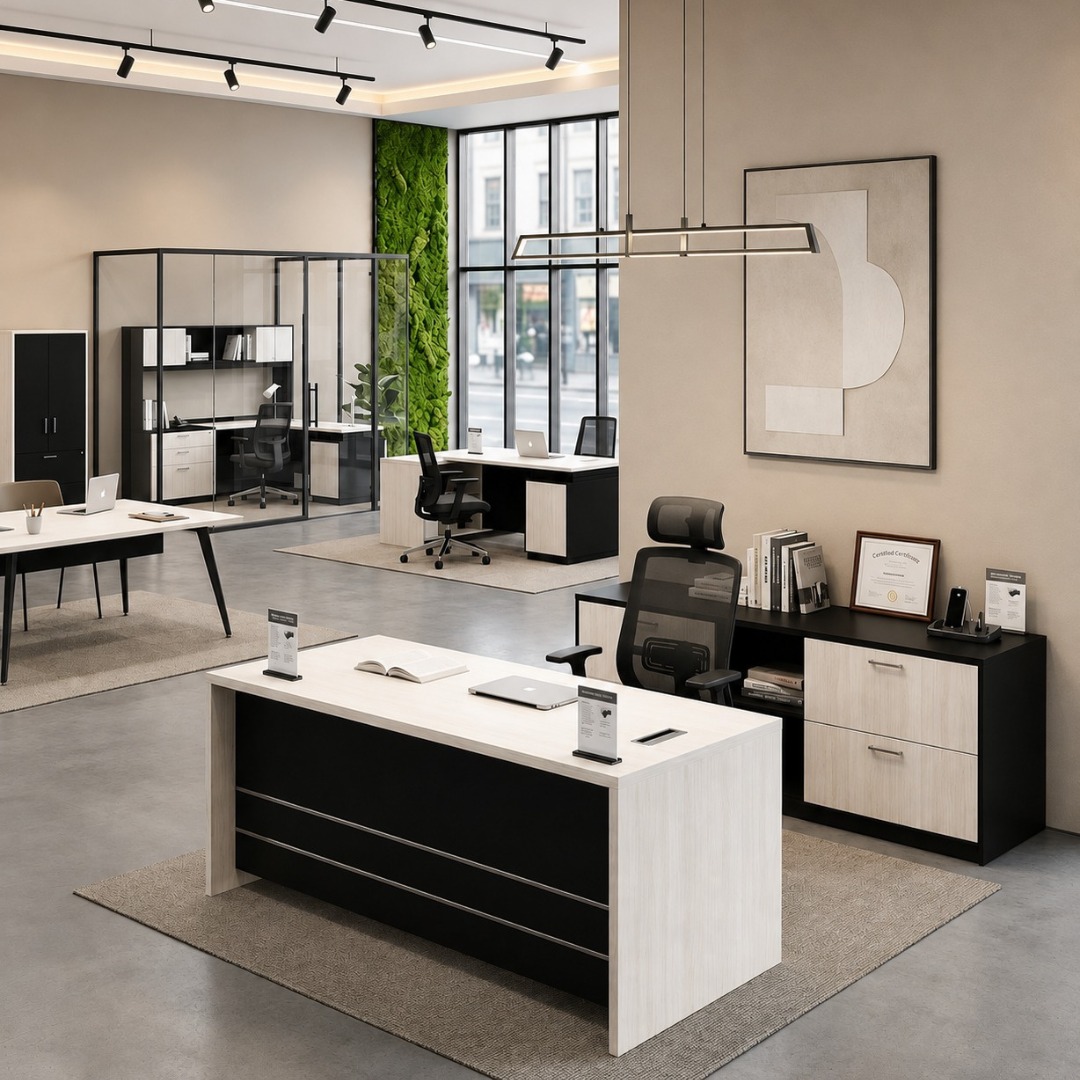
Small offices are everywhere in Dubai and Abu Dhabi right now. Startups, freelancers, small trading companies, and even branch offices of bigger firms are working with tight square footage. And here is the truth nobody tells you upfront: choosing office furniture for a small space is actually harder than furnishing a big one. When you have plenty of room, mistakes get absorbed. In a small office, every wrong chair or oversized desk becomes a daily headache.
I have helped set up more than a few small offices over the years, and I have made almost every mistake in the book myself before learning what actually works. This guide shares that experience, so you can skip the trial and error.
Don’t Waste Valuable Space in Your Small Office
A small office is not just a “mini version” of a big one. The rules change. In a large office, you can hide bulky furniture in a corner and nobody notices. In a small office, one wrong piece can block the walking path, make the room feel cramped, or ruin the impression you give to a client walking in for a meeting.
I once watched a client buy a beautiful, heavy executive desk that looked amazing in the showroom. The problem? It took up almost a third of his 12 square meter cabin. He could barely open his cupboard drawer without hitting his chair. We ended up exchanging it two weeks later for a slimmer desk with the same finish. Lesson learned: space planning always comes before style.
Measure Your Space for a Smarter Furniture Fit
This sounds obvious, but it is the step most people skip. Before you even open a catalogue or visit a showroom, measure your office room properly. Note the door swing, window placement, and any pillars or fixed walls. Write down the exact length and width, not a rough guess.
A good rule from experience: leave at least 90 cm of walking space around desks and behind chairs. This keeps the office comfortable and also meets basic workplace ergonomics standards. If you skip this step, you risk buying furniture that technically “fits” on paper but feels tight and awkward once it is inside the room.
Pick Multi-Functional and Space-Saving Furniture
For small offices, space-saving furniture is not a luxury, it is a necessity. Look for:
- Compact workstation desks with built-in storage instead of separate cabinets
- Foldable or extendable meeting tables that expand only when needed
- Wall-mounted shelving instead of floor-standing bookcases
- Desks with cable management built in, so you don’t need extra trunking boxes
I have seen small teams double their usable floor space just by switching from bulky filing cabinets to slim, vertical storage units. It is a small change that makes a very visible difference.
Style Matters, But Size Makes the Difference
Furniture shops love to show their most impressive pieces first, usually large executive desks and oversized sofas. It is tempting to want that same premium look in your own office. But scale matters more than style when your room is small.
A general guideline that has worked well in practice: your office desks should not take up more than 25 to 30 percent of the room’s floor area. If you are unsure, ask for the exact dimensions before ordering, and even mark the footprint on your floor with tape. This simple trick saves so many returns and regrets.
Prioritise Comfort: Don’t Skimp on Chairs
In a small office, people often spend the furniture budget on desks and tables, then buy the cheapest chairs available. This is a mistake I have seen backfire again and again. Employees sitting for eight hours a day need proper ergonomic office chairs with lumbar support, adjustable height, and breathable material, especially in the UAE heat where offices run the AC hard and people are indoors most of the day.
A comfortable chair also takes up less visual space than a bulky one, so it actually helps your small office look neater too.
Use Light Colours and Open Legs to Create Visual Space
This is a trick interior designers use all the time. Furniture with light wood finishes, white tops, or glass surfaces makes a small room feel more open. Desks and tables with visible legs, instead of solid panel bases, let light pass through and make the floor feel less cluttered.
Dark, heavy, solid-panel furniture might look luxurious in photos, but in a small office furniture setup, it often makes the room feel smaller than it actually is.
Create a Reception Space That Makes an Impact
Even a small office usually needs a reception desk, and this is where many business owners overspend or underspend. A reception desk that is too large blocks the entrance and looks out of place. One that is too small looks unprofessional to visiting clients. The right choice is a compact reception desk with a clean design that reflects your brand without eating up your entrance space.
Smart Office Planning Starts With Future Growth
One more lesson from experience: many small businesses buy furniture for the team they hope to have in two years, not the team they have today. This leads to half-empty offices filled with unused desks. Instead, buy for your current headcount plus a small buffer, and choose furniture brands that offer matching pieces later, so you can expand without a mismatched look.
Final Thoughts
Choosing furniture for a small office in Dubai or Abu Dhabi is really about balance: comfort versus space, style versus function, today’s needs versus tomorrow’s growth. Measure carefully, choose multi-functional pieces, prioritise ergonomic comfort, and use light, open designs to make the most of every square meter.
If you want furniture that is actually designed with space efficiency in mind, Office Plus offers a range of compact desks, ergonomic chairs, and reception furniture suited for small offices across the UAE. You can browse the full range at officeplus.ae.